
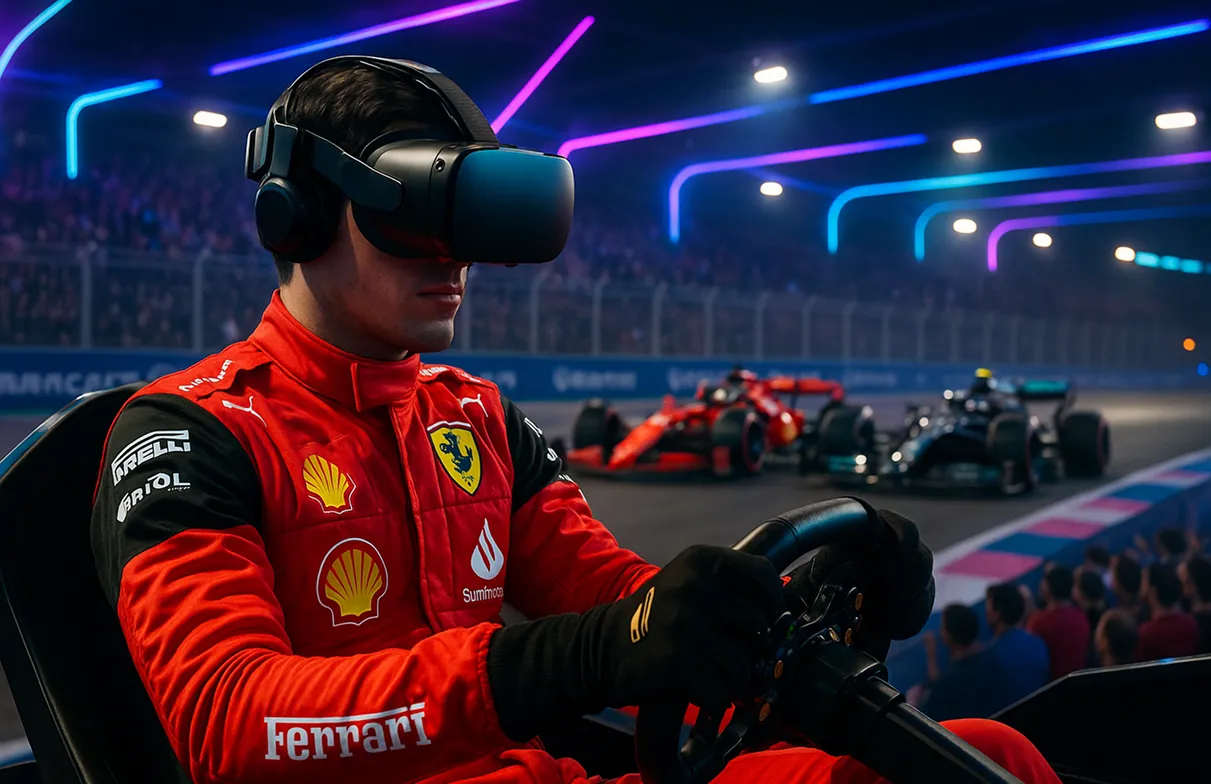
thrill
Formula 1 has always been the zenith of speed, precision and danger. For decades, risk has been part of the game — mechanical failure, human error, the dream can quickly turn into a nightmare.
redefined
But in a world of increasingly strict safety regulations and shrinking public attention spans, Formula 1 must evolve. What the audience craves now is non-stop action, impeccable performances, and unfiltered spectacle — not races where the show is sidelined.
launch
Starting in 2030, Formula 1 will enter a new era — one where risk is reduced, but competition is amplified.
Marshals will stay trackside, poised to respond, flags in hand, clearing the way when the action gets intense. The heart of motorsport — its rules, its drama, its unmistakable presence — will remain untouched.
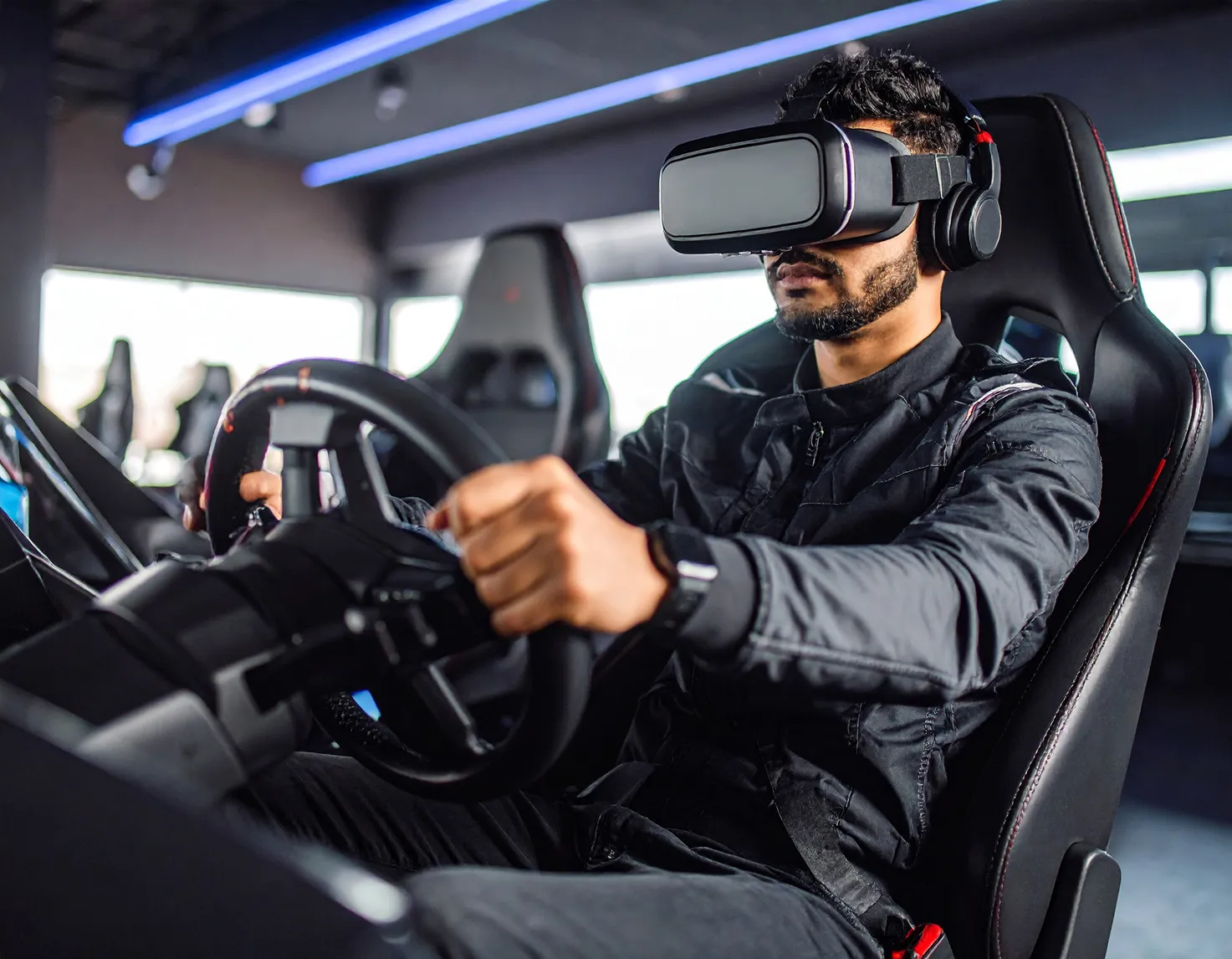
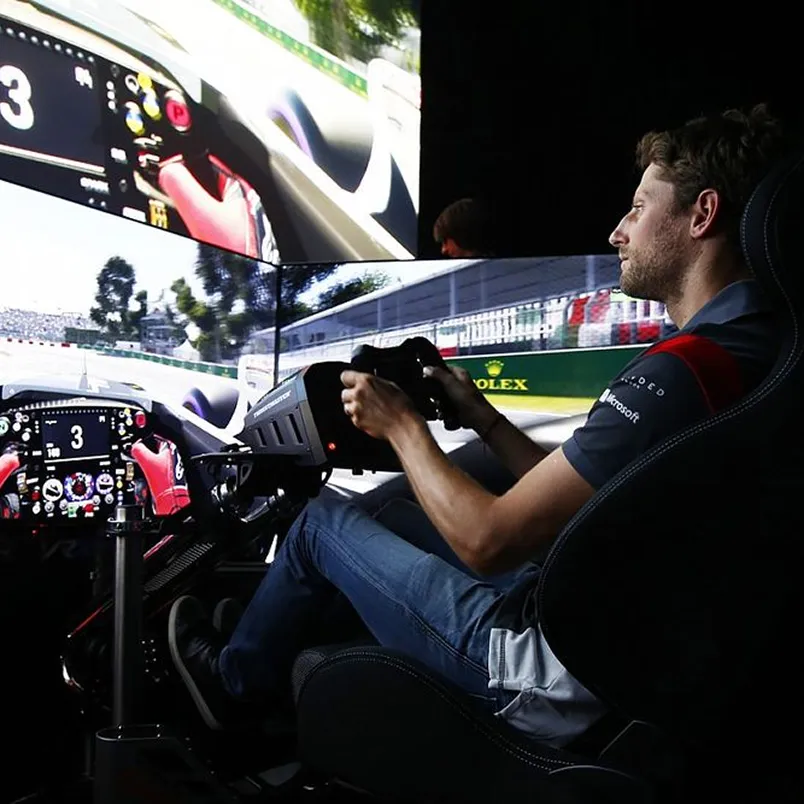
Monitored closely by race officials, drivers will no longer sit behind the wheel — they will control their cars remotely from a state-of-the-art simulation room at the circuit. The machines stay on track, but the thrill will come from a distance.
Equipped with next-gen VR headsets and immersive cockpits, drivers will experience the track in real time through an array of onboard cameras and sensory feedback systems. Every curve, bump, and collision will feel as real as if they were inside the car — without the fatal consequences.
The Best of Both Worlds
Security for drivers
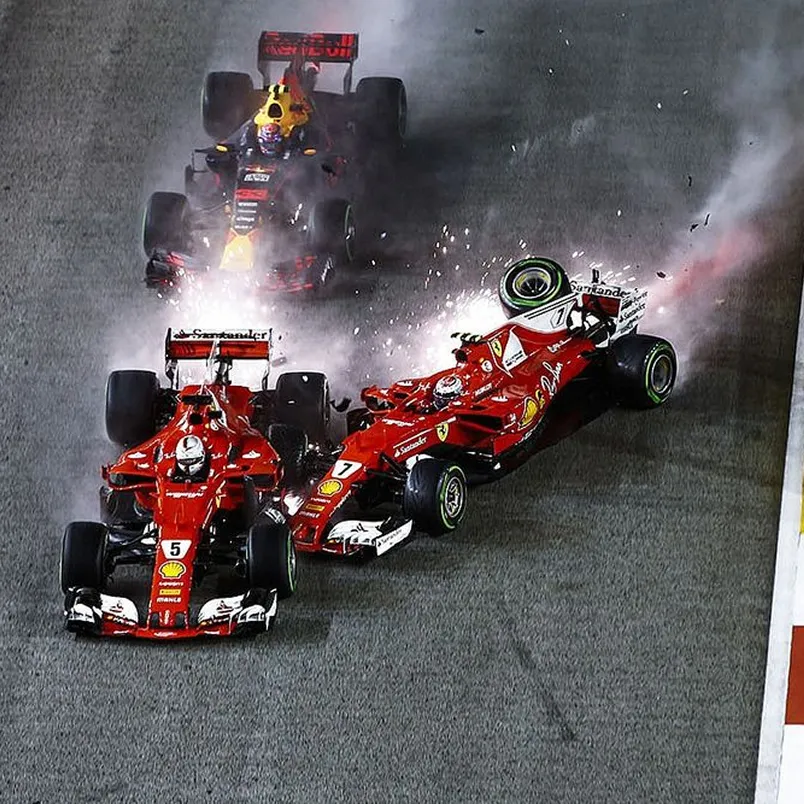
Immersion through advanced simulation
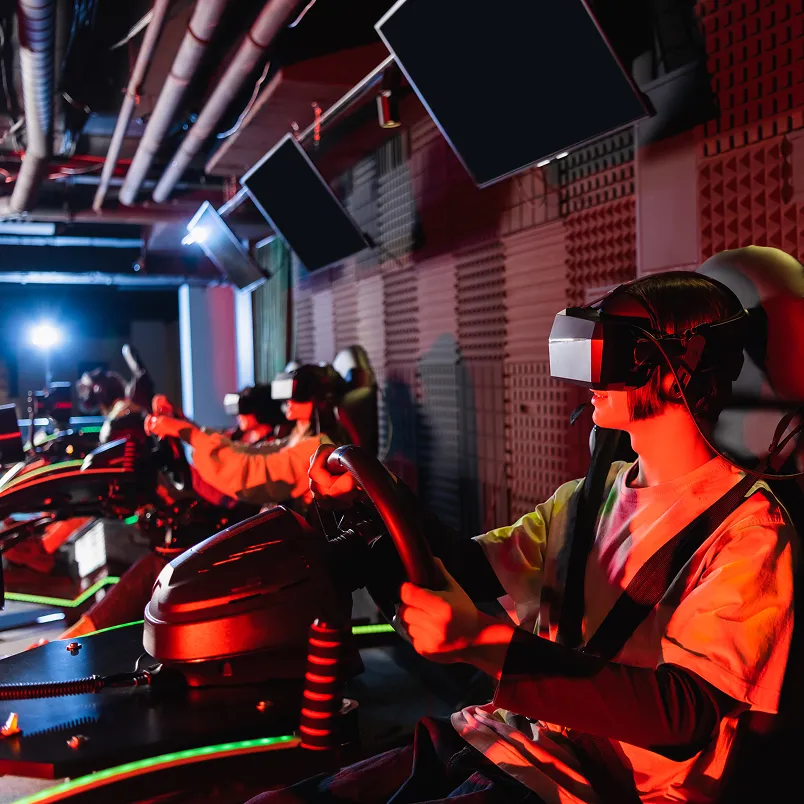
Real machines on real circuits

Instant decision-making and real-time consequences
Spectacle will rise. Crashes will still happen. Overtakes will be even bolder — driven by the confidence that comes without risking a life.